Scalp Care Treatment in Dermatology
Healthy hair begins with a healthy scalp. Dermatology-based scalp care treatments focus on diagnosing and managing conditions that affect the scalp’s skin, hair follicles, and overall health. Common scalp concerns include dandruff, dryness, excessive oiliness, itching, hair thinning, psoriasis, fungal infections, and seborrheic dermatitis.
The scalp is more than just the skin beneath our hair — it is a delicate and highly active area that supports healthy hair growth, protects the skull, and serves as the foundation for overall hair health. Just like facial or body skin, the scalp is prone to various conditions that can impact its appearance, comfort, and function. Dermatology offers specialized scalp care treatments designed to address a wide range of concerns, from common dandruff to chronic inflammatory disorders.
Why Scalp Health Matters
A healthy scalp ensures a well-nourished environment for hair follicles, which is essential for strong, thick, and shiny hair. Poor scalp health can lead to:
Excessive hair fall or thinning
Persistent itching and discomfort
Flaking or scaling
Greasiness or oil imbalance
Slow or poor-quality hair growth
Ignoring scalp issues can allow them to progress, leading to long-term hair loss or permanent follicle damage.
Common Scalp Conditions Treated in Dermatology
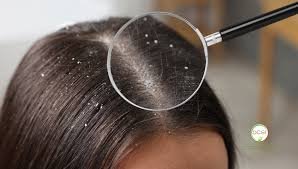
Dandruff & Seborrheic Dermatitis – Characterized by white or yellow flakes, itching, and redness.
Psoriasis of the Scalp – Thick, scaly plaques caused by an overactive immune response.
Fungal & Bacterial Infections – Such as ringworm (tinea capitis) or folliculitis.
Dry Scalp & Scaling Disorders – Often due to environmental factors or nutrient deficiencies.
Oily Scalp & Sebum Imbalance – Overactive oil glands leading to greasy hair and buildup.
Alopecia & Hair Loss Disorders – Including androgenetic alopecia, telogen effluvium, or scarring alopecia.
Itchy Scalp Syndrome – Persistent itching without obvious flaking or rash.
Dermatology-Based Scalp Care Treatments
1. Medical Diagnosis & Trichoscopy
Dermatologists begin with a detailed scalp examination and, when needed, trichoscopy — a specialized microscopic assessment to evaluate follicle density, scalp inflammation, and hair shaft abnormalities.
2. Prescription Medications
Topical treatments: Medicated shampoos containing ketoconazole, zinc pyrithione, salicylic acid, or coal tar.
Anti-inflammatory creams or solutions: Steroid-based or non-steroidal anti-inflammatory agents.
Antifungal / Antibacterial agents: For infections.
Minoxidil or peptide-based serums: For hair regrowth support.
3. Advanced In-Clinic Therapies
Scalp Detox Treatments – Professional cleansing to remove sebum, pollutants, and dead skin buildup.
Chemical Peels for the Scalp – Mild exfoliation to improve cell turnover and reduce dandruff.
Platelet-Rich Plasma (PRP) Therapy – Using growth factors to stimulate hair follicle health.
Low-Level Laser Therapy (LLLT) – Enhances blood flow and cellular activity in follicles.
Mesotherapy – Microinjections of vitamins, minerals, and amino acids to nourish the scalp.
4. Lifestyle & Maintenance Guidance
Advice on gentle hair cleansing routines
Avoidance of harsh chemical hair products
Nutritional support for scalp and hair health
Stress management to control stress-induced hair loss
Benefits of Dermatology-Driven Scalp Care
Accurate diagnosis of underlying scalp problems
Targeted, effective treatment rather than trial-and-error methods
Prevention of irreversible hair follicle damage
Improved hair texture, density, and shine
Relief from itching, scaling, and discomfort
Conclusion
Scalp care treatment in dermatology is not just about hair beauty — it is about restoring and maintaining the scalp’s natural balance so hair can grow strong and healthy. With professional evaluation, medical-grade therapies, and proper maintenance, most scalp issues can be managed effectively, leading to long-term hair vitality and comfort.